
Clinical Dietician Nutritionist for indigestion in Mumbai India
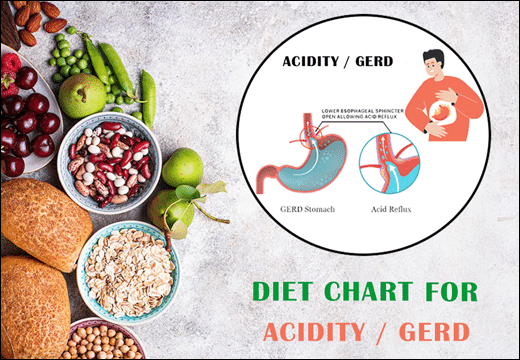
Cooking improves digestion and increases the absorption of many nutrients.
Cooking helps with easy mastication. The cooking methods have an impact on the nutritional value of the foods we consume.
For example, long exposure to heat can change some vitamins, at the same time it can make phytonutrients and antioxidants more liable.
Vitamin C is a water-soluble and temperature-sensitive vitamin, so is easily degraded during cooking, and elevated temperatures and long cooking times have been found to cause particularly severe losses of vitamin C.
A healthy cooking indicates cutting down of saturated fats, refined flours and sugars and retaining as much as nutrients as possible. Cutting down the calories also can be a healthy cooking if it is going to be served to overweight people.
Here we discuss some of the cooking methods, their advantages and disadvantages if any.
Baking:
Baking is a cooking technique that applies dry heat to a food in closed equipment. Baking will destroy heat labile nutrients and the long cooking time will negatively affect nutrient value. This method is basically used to make bread and puddings or desserts, vegetables, poultry, meat and chicken.
Roasting:
Like baking, roasting uses an oven’s dry heat to cook the food.
Braising:
Braising is similar to baking. However, braising mainly involves first browning the ingredient in a pan, and then slowly cooking it partially covered with little liquid in it. Meat with tough collagen fibre requires high heat and needs a longer time to become soft. This can reduce some heat labile nutrients. You can minimise nutrient losses by keeping the meat portion in cooked liquids. Calcium and other essential trace minerals including magnesium, zinc and iron are less likely to be affected.
A healthy cooking indicates cutting down of saturated fats, refined flours and sugars and retaining as much as nutrients as possible. Cutting down the calories also can be a healthy cooking if it is going to be served to overweight people.
Here we discuss some of the cooking methods, their advantages and disadvantages if any.
Baking:
Baking is a cooking technique that applies dry heat to a food in closed equipment. Baking will destroy heat labile nutrients and the long cooking time will negatively affect nutrient value. This method is basically used to make bread and puddings or desserts, vegetables, poultry, meat and chicken.
Roasting:
Like baking, roasting uses an oven’s dry heat to cook the food.
Braising:
Braising is similar to baking. However, braising mainly involves first browning the ingredient in a pan, and then slowly cooking it partially covered with little liquid in it. Meat with tough collagen fibre requires high heat and needs a longer time to become soft. This can reduce some heat labile nutrients. You can minimise nutrient losses by keeping the meat portion in cooked liquids. Calcium and other essential trace minerals including magnesium, zinc and iron are less likely to be affected.
Broiling and Grilling:
Broiling and grilling expose food to direct heat. This type of cooking allows the fat to drip away from the food. To grill outdoors, place the food on a grill rack above a bed of charcoal embers or gas-heated rocks. To broil, place food on a broiler rack below a heat element.
Poaching:
Gently simmering of foods in water or broth or a flavorful liquid is known as poaching. In this method the food retains its shape.
Sautéing:
Food cut into small pieces and stirring it on a pan with or without oil is sautéing. A good-quality nonstick pan will need no or less oil.
Steaming:
One of the simplest and best cooking techniques is steaming. Food or preparation is suspended or placed above simmering liquid. A flavoured liquid or added seasonings to the simmering water can give extra flavour to the food.
Healthy Ways to Flavour Foods:
Herbs and spices are rich in phytochemicals and can be used traditionally for cooking purposes. However, there may be serious health risks for some population groups in the case of excess consumption.
More evidence is available on commonly used herbs and spices such as garlic, black cumin, cloves, cinnamon, bay leaves, and mustard, possessing antimicrobial properties. Dried spices, like saffron, turmeric, and flaxseed contain phytochemicals, such as carotenoids, curcumins, catechins, lignin etc., which possess chemo preventive properties.
Creating meals with herbs, spices and other natural flavourings is one of the best ways to add colour, taste and aroma to foods without adding salt or fat. Healthy flavour boosts include:
Fresh herbs: Choose herbs that look bright and aren’t wilted, and add them toward the end of cooking.
Dried herbs: Add pinches of dried herbs in the earlier stages of cooking. But avoid pre packaged seasoning mixes because they often contain a lot of salt.
Dried mustard. Used sparingly, dried mustard adds a zesty flavor while cooking.
Vinegar or citrus juices. Add them at the last moment. Vinegar is great on vegetables, and citrus works well on fruit such as melons.
Marinades. Try a low-fat marinade for foods that you broil, grill or roast. To make your own marinade, use 1 part oil to 2 parts vinegar or citrus juice, and add herbs and spices as desired.
Dried vegetables and fruits. Some dehydrated vegetables and fruits, such as mushrooms, tomatoes, chilies, and moringa leaves have a more intense flavour when dried than when fresh. Add them when you want a burst of flavour.
Fermentation is defined as the conversion of carbohydrates to alcohol or organic acids using microorganisms—yeasts or bacteria—under anaerobic (oxygen-free) conditions.
Food fermentation enriches the diet for diversity in flavours, aromas, and textures. It also helps to preserve food through lactic acid, alcohol, acetic acid, and alkaline fermentations; it enriches food substrates with protein and vitamins; helps to eliminate antinutrients; and also helps to reduce cooking time and the associated use of fuel consumption.
Recommendation
Pressure cooking and boiling is the fastest and safest method of cooking to preserve nutrients to a great extent, making food safe for consumption and making nutrients more bioavailable.
Vinegar or citrus juices. Add them at the last moment. Vinegar is great on vegetables, and citrus works well on fruit such as melons.
Marinades. Try a low-fat marinade for foods that you broil, grill or roast. To make your own marinade, use 1 part oil to 2 parts vinegar or citrus juice, and add herbs and spices as desired.
Dried vegetables and fruits. Some dehydrated vegetables and fruits, such as mushrooms, tomatoes, chilies, and moringa leaves have a more intense flavour when dried than when fresh. Add them when you want a burst of flavour.
Fermentation is defined as the conversion of carbohydrates to alcohol or organic acids using microorganisms—yeasts or bacteria—under anaerobic (oxygen-free) conditions.
Food fermentation enriches the diet for diversity in flavours, aromas, and textures. It also helps to preserve food through lactic acid, alcohol, acetic acid, and alkaline fermentations; it enriches food substrates with protein and vitamins; helps to eliminate antinutrients; and also helps to reduce cooking time and the associated use of fuel consumption.
Recommendation
Pressure cooking and boiling is the fastest and safest method of cooking to preserve nutrients to a great extent, making food safe for consumption and making nutrients more bioavailable.

Geetanjali- The Voice of Healthcare- a Reg, Clinical Dietician Nutritionist, Wellness-Speaker, Author, Anchor, Wellness Expert, Pod-caster, Blogger, You tuber is based in Mumbai